
This post is in collaboration with Opodo.
As travellers have become more aware of the wider world over the past few years, responsible tourism has soared in popularity. 87% of global travellers want to travel more sustainably, according to recent research published by Booking.com. Paradoxically, however, almost half (48%) confess to never, rarely or only sometimes actually managing to travel ethically, suggesting that we still have a long way to go to reach a greener future. So, why is responsible tourism important and how can we help the local community while travelling?

What is responsible tourism?
Responsible tourism – also referred to as sustainable or ethical tourism/travel – refers to the practice of travelling in such a way as to minimise the impact of our journey on the wider environment.
While responsible tourism often relates to green or environmental concerns, the concept actually encompasses a broad range of issues including over-tourism and the welfare of both humans and animals in tourism hotspots. When the principles of responsible tourism are addressed as a whole, it can help to reduce the negative impact of mass tourism on a given destination.
Why is responsible tourism important?
So, why is sustainable travel so important right now? Well, with more of us travelling than ever before, some of the world’s most cherished destinations are being tested to their limits as a result of over-tourism. If we want to preserve and protect these destinations so that they can be enjoyed by future generations to come, we need to travel more ethically. So, let’s take a look at how we can start practicing responsible tourism more effectively.
6 Simple Sustainable Travel Tips
1. Choose eco-friendly accommodation
For almost half of travellers (46%), the first thing that comes to mind when faced with the concept of responsible tourism, is that of sustainable or eco-friendly accommodation.
Eco-friendly hotels, resorts or apartments usually have environmental policies and structures in place to limit their impact on the wider surroundings. For example, perhaps they encourage guests to limit water usage or reuse towels and bed linen, or maybe they’re serving local and organic foods or ditching single-use plastics.

2. Treat animals with respect
This is one of the most important aspects of responsible tourism. Sometimes, treating animals with respect might mean questioning, or refraining from taking part in, tourism activities. In many parts of Asia, for example, elephant rides are an important part of the tourism trade.
Sadly, however, a 2017 World Animal Protection (WAP) Study revealed that, of 3,000 elephants studied in Thailand, Sri Lanka, Nepal, India, Laos and Cambodia, 77% were living in inadequate conditions, with many being chained up when not performing, fed a poor diet and prevented from interacting with other elephants.
If you want to have an ethical elephant experience, look for a responsible conservation centre, sanctuary or national park. If you’re looking to visit elephants in Thailand, you could consider Elephant Hills ethical elephant sanctuary. Similarly, South Africa (especially Johannesburg) is one of the leading destinations for sustainable tourism, home to a number of ethical elephant parks like Kruger National Park and Addo Elephant Park. Meanwhile, travellers planning Vietnam Cambodia tours can also seek out community-led projects and wildlife sanctuaries that focus on protecting local species while supporting nearby villages. Wherever you choose to go, refrain from riding elephants at all costs!

3. Travel to lesser known destinations
With travel on the rise, some of the world’s most popular destinations are now at risk of over-tourism, with thousands – often millions – of tourists descending upon them every year, creating a burden for local residents and threatening the surrounding environment. So, to help reduce the pressure being placed on the world’s tourism hotspots, consider choosing a lesser known destination for your next trip.
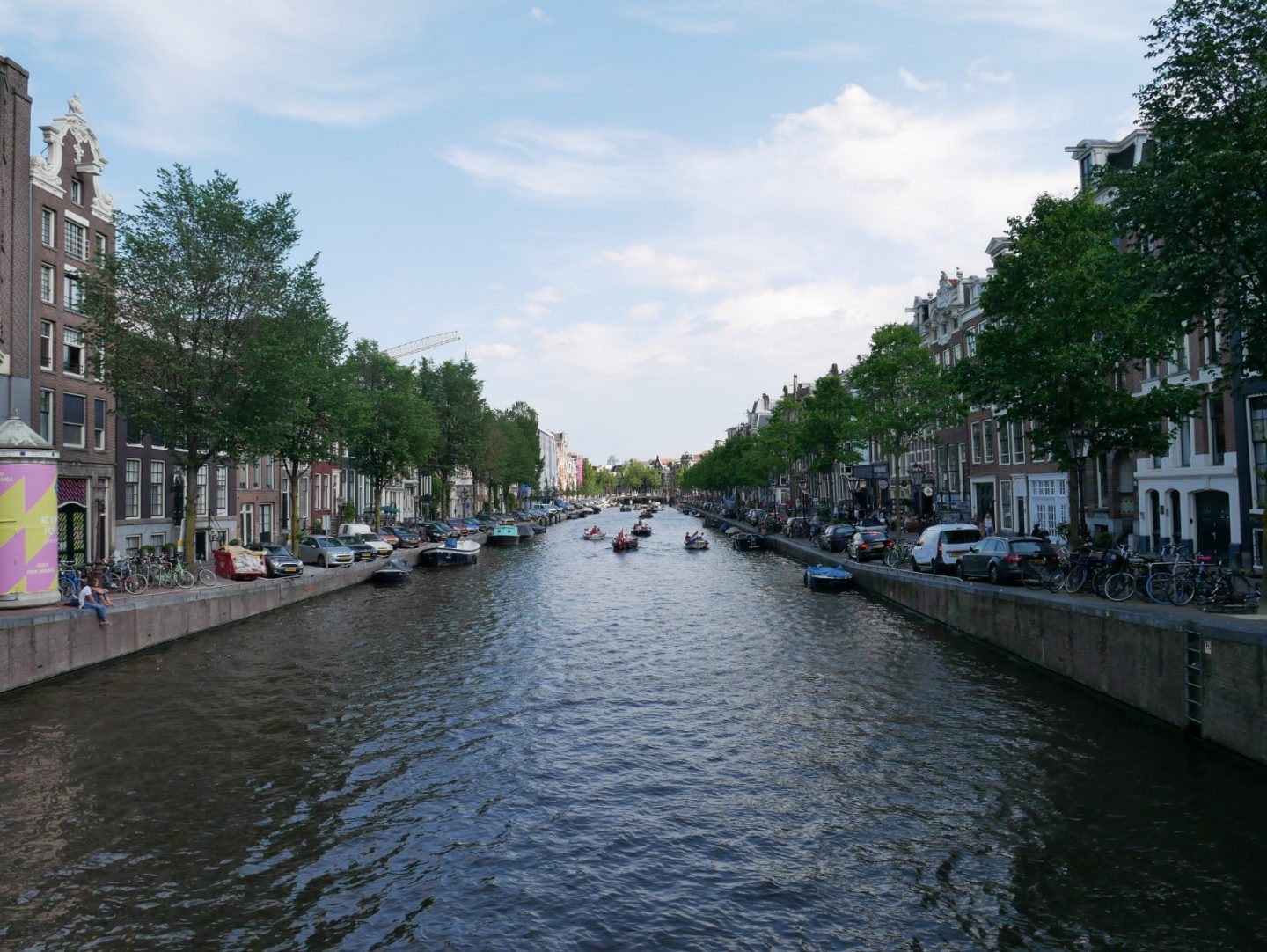
Some tourism boards have developed their own ways of coping with the impact of over-tourism. In the Dutch capital of Amsterdam – where visitor numbers are set to rise from 18 million in 2018 to 42 million by 2030 – the tourism board has ceased all advertising, even removing the famous ‘I Amsterdam’ letters that once provided an unmissable photo opportunity for many tourists.
If it’s absolutely necessary for you to visit a tourism hotspot, be mindful of your surroundings and respect the locals. Do everything you can to reduce the impact of your presence on the destination, whether that be by supporting local businesses as opposed to big chains, travelling during off-peak hours, caring for the wider environment by disposing of your litter or using public transport, or any other means.
4. Travel using eco-friendlier alternatives
Rather than hiring a car or booking a taxi or driver to show you around a new and unfamiliar destination, consider hiring a bicycle, or electric car for the day; or travelling by bus, train or tram instead. If you really need to hire a car such as a Manila airport pick-up, consider an eco-friendly car.
Not only will this help to reduce environmental pollution by cutting down on carbon emissions, but it also aids congestion and it’ll save you a whole lot of money, too.
In big cities with modern infrastructure systems (such as London, Germany, New York and Cophenhagen) travelling by public transport can often be quicker and easier than travelling by car. However, even when you’re visiting a less developed destination, you shouldn’t rule out taking public transport until you’ve tried it out or at least asked around to find out what it’s like. It’s pleasantly surprising how safe and well-connected the public bus service is on the Caribbean island of Grenada, for example.

5. Do your research and respect local laws and customs
Before you head off on your travels, research your chosen destination, paying attention to local laws, customs and values – especially religious practices.
The last thing you’d want to do while on holiday is to end up getting into trouble for upsetting one of the locals or perhaps even breaking a law that you didn’t realise even existed.
As a brief case study, let’s take a look at Istanbul. This popular tourism destination might seem fairly Westernised, but in fact, it’s actually governed by strong religious laws and public displays of affection are frowned upon in many parts of Istanbul. Similarly, you are legally obliged to travel with a form of photographic ID on your person at any given time and you might be asked to show this to police or security personnel upon request.
6. Pack some eco essentials for your trip
What you take with you when travelling can also have an impact on local environments. Choosing an eco-friendly suitcase is becoming more and more important in responsible tourism practices. With many travellers becoming more environmentally conscious, choosing a small suitcase made from sustainable materials and with minimal environmental impact can be a great way to reduce your carbon footprint. Many eco-friendly options like small Eminent suitcases are lightweight and durable making a positive impact while still having a comfortable and convenient travel experience.
Consider packing a lightweight, biodegradable bamboo toothbrush in your suitcase rather than the typical plastic toothbrush most of us tend to reach for. You may also want to think about packing a reusable bamboo coffee cup – travelling is tiring business and reusing can save plenty of disposable cups from littering local environments. Similarly, you could consider investing in sustainable or eco clothing from a supplier like Bamigo. In some countries – like Malaysia, for example, plastic bottles are actually banned and so you’ll need to carry a reusable water bottle with you almost all of the time.

Hopefully, you’ll now be feeling much more clued up on what responsible tourism is and how you can travel more sustainably in the future. Learn more about the travellers’ code of ethics with Opodo, who’ve produced this informative infographic to help us understand how we can travel more sustainably.

What are your top tips for responsible tourism? Please share your ideas below and I’ll consider adding them to my list!
Enjoyed reading this post? You might want to give these ones a read too:
- 15 Fair-Trade Chocolate Facts
- The Importance of Travel for Mental Health
- Holiday Sickness: 5 Rules to Avoid Getting Sick Abroad
- How to Get More Out of Travelling
- The Benefits of Organic Foods
Pin this post using the images below so you can come back to it whenever you need to refresh your knowledge of responsible tourism!



This post is in collaboration with Opodo.
I do my best to take public transport, especially in Europe and America as public transport is so good x
Me too, especially as I often travel on a budget so it does help to minimise costs.
I love that everyone can do their bit to make their travel as ethical as possible.
Me too. Every little helps!
We usually use public transport when we’re travelling. That statistic from the World Animal Protection study is so sad. Those poor elephants.
I found some of these stats really concerning too 🙁 I think responsible tourism is really starting to take off now though – and about time, too!
thank you so much for sharing your wonderful trip. 🙂
Glad you enjoyed the read Kiara! 🙂
I loved how detailed and practical your suggestions were. It’s not often you find content that’s both informative and easy to digest. Well done!
Thanks, I’m glad you enjoyed the read.